
In Norway, hospitals are funded by the regional health authorities, while schools and care homes are funded by local councils. As of June 2026, the Labour Party (Arbeiderpartiet, AP) leads the national government. Local and county council elections will take place in September 2027, and the next parliamentary election is scheduled for September 2029.
During Erna Solberg’s eight years in office, which ended three years ago (see the previous CWI article, Norway: Election Ends Conservative Rule), her government transferred an estimated 42 billion kroner (£4 billion) from public finances into tax cuts that disproportionately benefited the wealthy. While ordinary people received some tax reductions, the greatest gains went to the richest sections of society. This has left municipalities and county councils struggling with increasingly overstretched budgets.
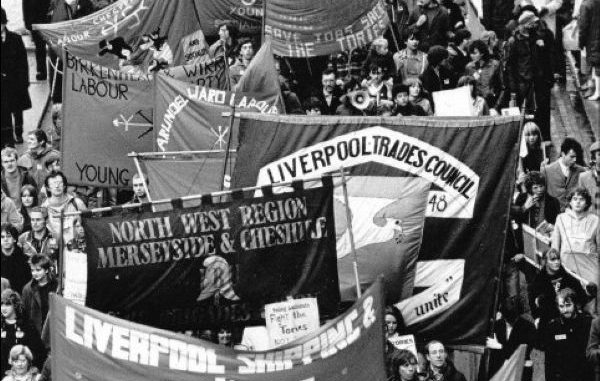
Many councils now face a choice between implementing cuts to local services or fighting for increased funding from the state. Historically, no major party in Norway has been prepared to fight hard for more resources from central government. Liverpool City Council, in Britain, in the 1980s, led by example by declaring a “cuts-free zone” and adopting a workers’ budget.
Even parties regarded as being on the left, such as the Socialist Left Party (SV), Rødt (Red Party), and the Labour Party (AP), have often accepted the logic of cuts, arguing that their reductions would be “less severe than those proposed by the right”. During previous rounds of austerity, councils voted to cut spending on libraries, kindergartens, road maintenance, street lighting, and other essential services.
The right-wing parties, meanwhile, blame the economic situation on the red-green coalition and advocate cutbacks at both council and county council level. In some municipalities this process has already begun. Bergen, for example, has transferred the operation of two care homes to private providers. Unless challenged, this trend is likely to accelerate after the 2027 local elections. Such policies directly affect both service users and the workers employed by councils and county councils.
Defend Public Healthcare
The regional health authorities responsible for Norway’s hospitals are also facing growing financial pressures and underfunding. Trade unions representing nurses, cleaners, maintenance workers, ambulance staff and other healthcare employees should organise days of action and, where necessary, regional strike action to reverse the cuts.
The red-green parties should work closely with workplace representatives and shop stewards to build such campaigns. Otherwise, there is a danger that right-wing politicians will continue down the road of privatisation, turning Norway’s traditionally strong public healthcare system into a source of profit for private corporations.
At this stage, only a determined campaign led by trade unions and shop stewards can effectively defend public healthcare. Waiting for politicians to act may prove too late if hospitals are reorganised, services reduced, or facilities sold off to private companies.
Trade unions should unite behind the demand:
NO CUTS TO OUR SERVICES. REVERSE THE CUTS MADE UNDER ERNA SOLBERG.
Hospital Management and Executive Pay
One recurring criticism highlighted in the media is the high level of executive pay in the hospital system. Large hospitals may employ five to ten departmental directors, many of whom earn salaries several times higher than those of frontline healthcare workers.
These managers are appointed by the regional authorities. We argue that no hospital executive should receive a salary vastly greater than that of those delivering patient care. The gap between management pay and workers’ wages should be significantly reduced.
Commercial Staffing Agencies
Norway faces well-documented shortages of doctors and nurses. Commercial staffing agencies profit from supplying temporary staff to fill these gaps.
We argue that the role currently played by private staffing agencies should be brought into public ownership and operated under democratic workers’ management and workers’ control, ensuring that healthcare staffing serves public need rather than private profit.
R.O.B.E.K. and Local Government Finance
R.O.B.E.K. (Register for Conditional Approval and Control) is a state register for municipalities and counties deemed to be in financial imbalance. Local authorities on the register must obtain state approval for borrowing and investments that could generate long-term costs. They remain responsible for running local services, but their budgets and financial plans require approval from the state administrator.
This system is designed to prevent local authorities from “overspending”. We contend that lessons from Liverpool City Council’s struggle against austerity in the 1980s, outlined in Liverpool: A City That Dared to Fight by Peter Taaffe and Tony Mulhearn, offer an alternative approach that could be considered by socialists in Norway when challenging financial restrictions imposed by the state.
Building a Campaign Against Cuts
Shop stewards and trade union representatives from across the hospital sector should organise a national conference to coordinate resistance to cuts and privatisation.
Key demands could include:
- No cuts to public services.
- Reverse the cuts imposed under Erna Solberg’s government.
- No retreat from worker-friendly policies.
- No cuts to hospitals, care homes, schools, or social benefits.
- Continued support for workers and trade unions fighting union-busting employers.
- Public ownership of key sectors of the economy under democratic management and control.
The central message should be clear:
NO CUTS TO OUR SERVICES. REVERSE THE CUTS MADE UNDER ERNA SOLBERG.