
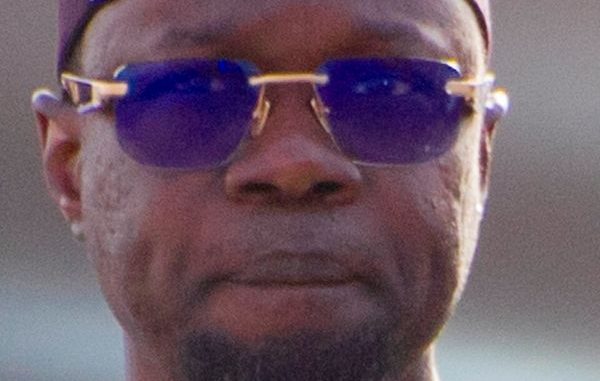
Ousmane Sonko is a central figure in Senegalese politics, known for his anti‑corruption stance, leadership of the PASTEF party, and his recent political rupture with President Bassirou Diomaye Faye. Below Leïla Messaoudi looks at the fall out of the dispute in Senegal.
socialistworld.net
Diomaye Faye, the President of Senegal, removed Ousmane Sonko from office as Prime Minister at the end of May 2026. The pair had won the last elections with their party, PASTEF (the Patriots), with significant support from young people and promises of more public services, an end to corruption.
Constitutional reform against a backdrop of power struggles
For the past two months, the split has been a fait accompli. Sonko is Speaker of the National Assembly and was re-elected leader of PASTEF early in June. He spearheaded and secured the passing of a constitutional reform in the Assembly that curtails presidential powers and strengthens the Assembly. PASTEF MPs hold a majority there.
As for Diomaye Faye, he remains President of the Republic and has appointed Al Aminou Lô as the new Prime Minister; Lô comes from the former government and has a background in the Central Bank. He is a supporter of the CFA franc.
Abysmal debt, young people and workers under pressure
The economic situation is concerning. Public debt stands at 132% of GDP. Senegal is thus one of the most indebted countries in Africa. Projects have ground to a halt, and workers are unemployed, particularly in the construction sector. The issue of debt is central, and two positions are being defended by those in power.
Sonko argues that Senegal should not bow to external conditions, particularly those dictated by the IMF (International Monetary Fund), which was on an official visit to Dakar recently. He says he wants to manage the debt burden through domestic spending cuts and controls. This is very hard on the population.
Diomaye Faye appears to be more open to the IMF – as indicated by his choice of Prime Minister – and to a form of preventive debt restructuring. The argument – which is, of course, fallacious – is that making cuts now will prevent default and the collapse of the economy.
Latent anger
Workers and young people in Senegal have painful memories of the last debt restructuring in 2014. Children starving to death – something never seen before – and soaring food prices against a backdrop of unbridled speculation. And budget cuts that meant 80 to 100 pupils per school class, and power cuts several times a day and privatisations. They don’t want any of that!
In February 2026, students at Cheikh-Anta-Diop University in Dakar took to the streets, protesting the non-payment of grants, with demonstrations and a heavy-handed crackdown. The highly publicised crackdown on homosexuals may, for a time, divert attention. But the social and political crisis runs deep. And the next presidential elections are not due until 2029.
The social situation is explosive. Preventing the population from having to pay the price for the crisis requires a mass mobilisation against the IMF’s plans, to refuse to pay the debt and its interest.
Outright cancellation of the debt, without compensation or buy-back!
Nationalisation of the main sectors of the economy under the control and management of the workers themselves!